By the MM2A team · Published · 7 min read
What Is Chetoui?
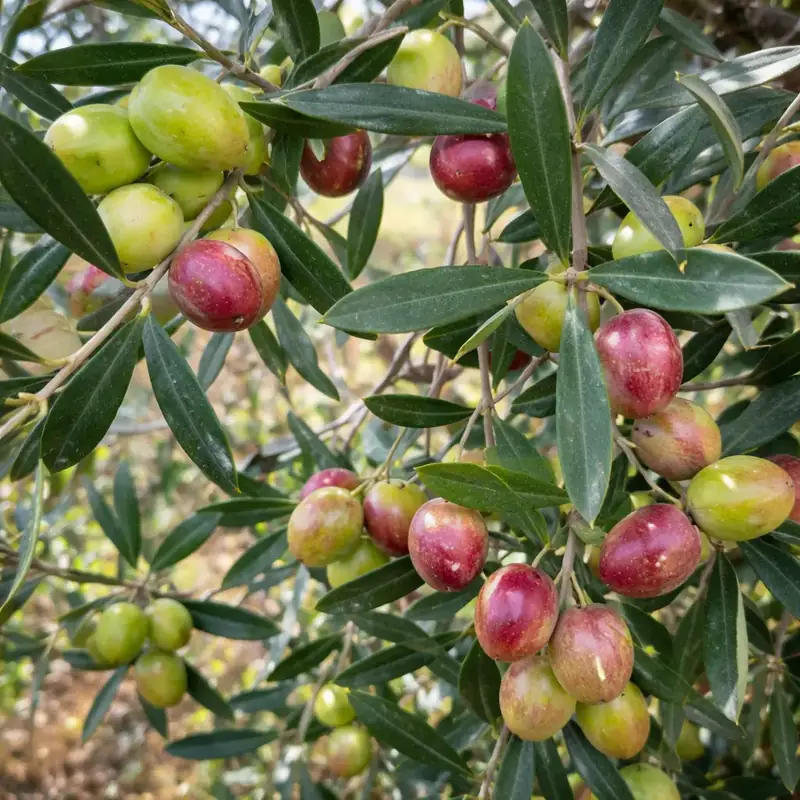
Chetoui is the main olive variety of northern Tunisia and the second most important variety in the country after Chemlali. Where Chemlali gives Tunisia its volume, Chetoui gives it intensity: a green, bitter and peppery oil with a strong regional identity.
The tree produces medium-sized fruit and is grown mostly in the wetter north of the country. Its oil is sought by importers who want a Tunisian extra virgin olive oil with character, and by blenders who need structure and green notes in their final product.
Where Chetoui Grows
Chetoui is grown across northern Tunisia, in regions such as Manouba, Beja, Bizerte, Jendouba, Zaghouan and Nabeul. The Tebourba area, west of Tunis, is one of its best-known historic zones.
Rainfall is higher in the north than in the centre and south, which suits the variety. This is why Tunisian olive oil splits into two styles: intense Chetoui oils from the north and smooth Chemlali oils from Sfax, Sidi Bouzid and the south.
Flavor and Sensory Profile
Chetoui extra virgin olive oil is known for an intense green fruitiness, with marked bitterness and a peppery finish that catches the throat. Tasters often describe notes of green almond, artichoke, tomato leaf and freshly cut grass.
The harvest date shapes the oil strongly. Olives picked early, while still mostly green, give the most intense and bitter oils. Later harvests are rounder and softer but keep part of the variety's structure. As with any variety, judge each lot on its sample and tasting report, not on the name alone.
- Intense green fruitiness
- Marked bitterness and pungency
- Notes of green almond, artichoke, tomato leaf and cut grass
- Structured, persistent finish
Polyphenols and Stability
Chetoui has a high polyphenol potential, especially when harvested early. Polyphenols are behind its bitterness and pungency, and they also protect the oil against oxidation, which helps it keep its quality longer in storage.
Polyphenol content is not fixed by the variety. It varies with ripeness, the season and the conditions of extraction, so if it is part of your specification, ask for a polyphenol analysis on the specific lot. In the European Union, the health claim on olive oil polyphenols may only be used when the oil contains at least 5 mg of hydroxytyrosol and its derivatives per 20 g of oil, and only an analysis of the lot can confirm it.
Chemical Profile: What to Check in the Analysis
Chetoui generally has a higher oleic acid content than Chemlali and a fatty acid profile that sits comfortably within the usual specifications for extra virgin olive oil. As always, confirm it in the certificate of analysis of the lot you buy, together with the standard quality parameters:
- Free acidity, expressed as oleic acid
- Peroxide value
- UV absorbance: K232, K270 and ΔK
- Fatty acid composition
- Fatty acid ethyl esters (FAEE) and waxes
- Total polyphenols, when they are part of your specification
- Organoleptic assessment by a tasting panel
Chetoui vs Chemlali
Tunisia's two main varieties do different jobs, and many buyers use both. Read our Chemlali guide for the other side of the comparison.
| Chetoui | Chemlali | |
|---|---|---|
| Main regions | North (Manouba, Beja, Bizerte) | Centre and south (Sfax, Sidi Bouzid) |
| Flavor | Green, intense, bitter and peppery | Mild, smooth, ripe fruity |
| Polyphenols | High potential, especially early harvest | Moderate |
| Typical role | Premium oil, character component in blends | Volume oil, blending base, private label |
| Availability | Smaller volumes, more dependent on the harvest | Large volumes every season |
How Buyers Use Chetoui
Chetoui's intensity makes it valuable both on its own and in small proportions. Importers, bottlers and blenders use it as:
- A premium single-variety extra virgin olive oil with a clear Tunisian origin
- A character component that adds structure and green notes to a smoother base such as Chemlali — see our private label blends
- An oil for high-polyphenol and specialty ranges, when the analysis supports it
- An oil for markets and chefs who value bitterness and pungency
Harvest and Availability
The Tunisian harvest usually runs from November to February, and Chetoui is often picked earlier in the season than Chemlali to capture its green character. Northern production is smaller than central production and can vary more from one year to the next, so buyers who need Chetoui for a programme should share their volume early in the season.
Buying Chetoui in Bulk
Ask for a representative sample, the full certificate of analysis and the tasting assessment of the lot, plus a polyphenol analysis if that matters to you. Agree in writing on the grade, the analytical limits and the sensory profile.
MM2A produces Chetoui in its own northern mill at Borj El Amri, harvested early in the season, and ships it in flexitank, IBC or tanker truck from Sfax. Read more on our Chetoui olive oil in bulk page, or see the questions buyers ask us most often.