By the MM2A team · Published · 7 min read
What Is Chemlali?
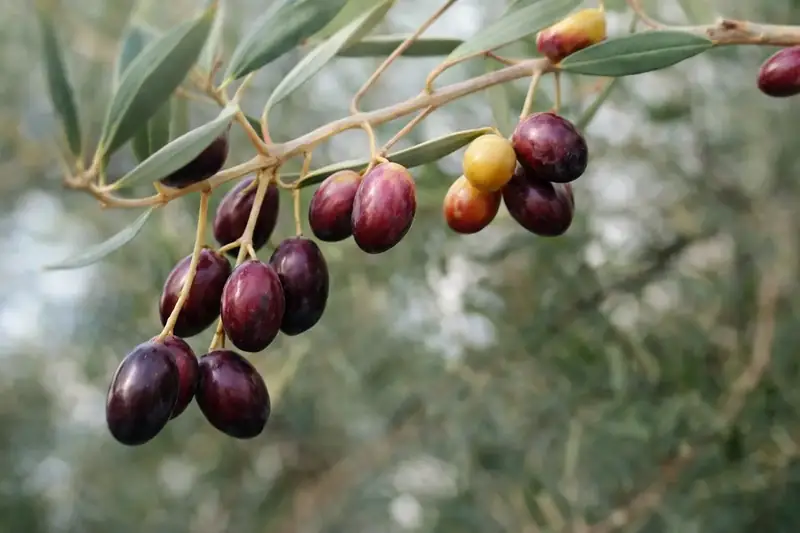
Chemlali, often called Chemlali de Sfax, is the most widely planted olive variety in Tunisia. It covers the majority of the country's olive groves and supplies a large share of every Tunisian harvest, so most buyers who source olive oil from Tunisia meet Chemlali sooner or later, either on its own or as the base of a blend.
The tree produces small fruit with a good oil yield, and it is well adapted to dry conditions. That hardiness is the reason Chemlali spread across the centre and south of the country, where many groves are traditional, widely spaced and rain-fed.
Where Chemlali Grows
The heartland of Chemlali is central and southern Tunisia. The Sfax region is the largest olive-growing area of the country and gives the variety its full name. Sidi Bouzid, Kairouan, Mahdia and the regions further south also grow it widely.
In the north, the climate is wetter and growers favour other varieties, mainly Chetoui. This north–south split is why Tunisian olive oil offers two very different styles: intense oils from the north and smooth Chemlali oils from the centre and south.
Flavor and Sensory Profile
Chemlali extra virgin olive oil is known for a mild, smooth character. The fruitiness is gentle, and bitterness and pungency are low. Tasters often describe ripe fruity notes with hints of almond and apple, depending on the harvest date and the conditions of extraction.
Olives picked early in the season give a greener, slightly more intense oil, while later harvests give a softer and rounder one. For a buyer, this means two Chemlali lots can taste noticeably different, so the sample and its tasting report matter more than the variety name alone.
- Mild to medium fruitiness
- Low bitterness and pungency
- Ripe fruity notes, often almond and apple
- Smooth, easy-drinking character that suits a wide range of consumers
Chemical Profile: What to Check in the Analysis
Chemlali has a distinctive fatty acid profile. Compared with many Mediterranean varieties, it tends to have a lower oleic acid content and a higher share of palmitic and linoleic acids. The values vary with the region and the year, and good lots meet the trade standards for extra virgin olive oil, but this is the point that experienced buyers check first.
If your destination market or your customer applies a strict specification, compare the fatty acid composition in the certificate of analysis with that specification before you confirm a lot. The standard quality parameters complete the picture:
- Free acidity, expressed as oleic acid
- Peroxide value
- UV absorbance: K232, K270 and ΔK
- Fatty acid composition, including oleic, linoleic and palmitic acids
- Fatty acid ethyl esters (FAEE) and waxes
- Organoleptic assessment by a tasting panel
Chemlali vs Chetoui
Tunisia's two main varieties are complementary. Many buyers use both: Chemlali for volume and softness, Chetoui for structure and green intensity. Read our Chetoui guide for more on the northern variety.
| Chemlali | Chetoui | |
|---|---|---|
| Main regions | Centre and south (Sfax, Sidi Bouzid) | North |
| Flavor | Mild, smooth, ripe fruity | Green, intense, bitter and peppery |
| Polyphenols | Moderate | High potential, especially early harvest |
| Typical role | Volume oil, blending base, private label | Premium oil, character component in blends |
| Availability | Large volumes every season | Smaller volumes, more dependent on the harvest |
How Buyers Use Chemlali
Chemlali's balanced, gentle profile makes it one of the most practical olive oils for professional buyers. Importers and bottlers use it as:
- A standalone extra virgin olive oil for markets that prefer a soft taste
- A blending base that carries a share of a more intense oil such as Chetoui
- A private label oil that can be repeated from one season to the next — see our private label blends
- An ingredient oil for food service and food manufacturing
Harvest, Storage and Shelf Life
The Tunisian harvest usually runs from November to February. Chemlali is often harvested a little later than northern varieties, and the date has a direct effect on the profile of the oil.
Because Chemlali contains fewer polyphenols than intense varieties like Chetoui, good storage matters. Keep the oil in stainless steel or suitable bulk containers, away from light, heat and air, and plan bottling within a reasonable time after purchase to keep its extra virgin quality.
Buying Chemlali in Bulk
When you source Chemlali in bulk, ask for a representative sample, the full certificate of analysis for that lot and its tasting assessment. Agree on the specification in writing: the quality grade, the analytical limits and the sensory profile you expect.
MM2A produces Chemlali in its own mills in Sfax and Sidi Bouzid and ships it in flexitank, IBC or tanker truck, loaded from Sfax. Read more on our Chemlali olive oil in bulk page, or see the questions buyers ask us most often.